

By Ahmad Muhammad Sani Gwarzo, ANIPR
Jigawa State has continued to distinguish itself as one of Nigeria’s most peaceful and progressive states, with a proud history rooted in the ancient Hausa civilisation and the enduring traditions of its five historic emirates: Dutse, Hadejia, Gumel, Kazaure, and Ringim.
Created on August 27, 1991, from the old Kano State, Jigawa was established to bring government closer to the people and accelerate social and economic development across both urban and rural communities.
Since its creation, successive administrations have contributed to the growth and transformation of the state through investments in agriculture, education, healthcare, infrastructure, and human capital development.
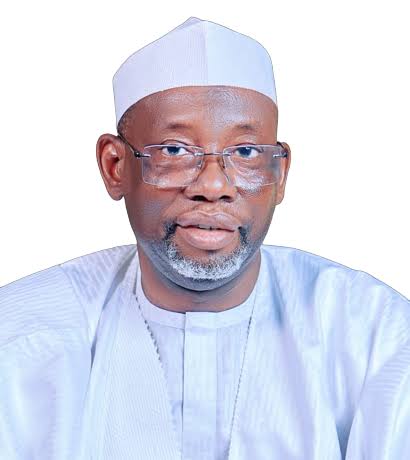
The administration of Governor Umar Namadi Danmodi has sought to build on these foundations by implementing policies aimed at improving the welfare of the people and expanding opportunities for sustainable development.
Agriculture remains the backbone of the state’s economy, and the present administration has continued to support farmers through programmes designed to enhance productivity, strengthen food security, and promote rural development.
The government has also prioritised the construction and rehabilitation of roads and other public infrastructure to facilitate transportation, boost commerce, and improve access to essential services across the state.
One of the key sectors receiving significant attention under the current administration is education, based on the belief that a well-educated population is essential for long-term prosperity and national development.
Supporters of the administration point to efforts aimed at expanding access to education and reducing barriers to learning for children and young people throughout the state.
Particular emphasis has been placed on policies supporting free education from the primary school level and expanding opportunities through higher levels of learning, with the objective of ensuring that financial challenges do not prevent deserving students from acquiring knowledge and skills.
The administration has also encouraged the provision of educational facilities, teaching materials, and a conducive learning environment to improve the overall quality of education across the state.
Scholarship programmes and other forms of educational assistance are widely regarded as strategic investments in the future leadership and economic growth of Jigawa State.
The healthcare sector has equally remained a priority area for the government, with efforts focused on improving medical facilities and expanding access to healthcare services for citizens.
Supporters of the administration highlight maternal and child healthcare initiatives as part of broader efforts to protect vulnerable groups and improve public health outcomes.
Special attention has also been given to programmes supporting free delivery services for expectant mothers in government health facilities.
These initiatives are intended to reduce financial burdens on families and encourage safe childbirth under professional medical supervision.
Many health advocates view such programmes as important steps toward improving maternal and infant health while promoting the wellbeing of women and children across the state.
The administration has also continued to strengthen primary healthcare services, recognising that accessible healthcare is fundamental to community development and economic productivity.
Youth and women empowerment programmes have become another major component of the government’s development agenda.
Through skills acquisition initiatives, entrepreneurship support, and economic inclusion programmes, the administration seeks to create opportunities for broader participation in the economy.
Small and medium-scale enterprises are being encouraged as part of efforts to generate employment and stimulate local economic activities throughout the state.
The government has maintained productive relationships with traditional rulers, religious leaders, and community-based organisations in promoting peace, unity, and social harmony.
Jigawa’s reputation as a peaceful state has continued to attract investment and encourage productive engagement among its people, thereby creating a favourable environment for growth and development.
As the 2027 general elections approach, discussions about the future of the state are increasingly centred on sustaining developmental projects and strengthening public institutions.
Supporters of Governor Umar Namadi Danmodi argue that continuity in leadership could help consolidate ongoing programmes in agriculture, education, healthcare, infrastructure, and social welfare.
They often cite initiatives supporting educational access, maternal healthcare, rural development, and economic empowerment as examples of policies capable of delivering long-term benefits to the people of Jigawa State.
Advocates of continuity also encourage citizens to participate actively in the democratic process by obtaining their voter registration credentials and engaging peacefully in civic and political activities.
They emphasise that political campaigns should focus on issues, development programmes, and constructive ideas capable of improving the lives of the people while maintaining respect for democratic principles and the rule of law.
The vision for the future of Jigawa State, as presented by many supporters of the present administration, is one of expanded educational opportunities, improved healthcare services, stronger agricultural productivity, enhanced infrastructure, youth empowerment, and sustainable economic growth.
Ultimately, the future of Jigawa State rests on the collective determination of its people to preserve peace, strengthen democracy, and support policies that promote inclusive development.
Through unity, responsible leadership, and active civic participation, the state can continue to build on its rich heritage and pursue a future marked by greater prosperity, social progress, and shared opportunities for all citizens.